


美国机器人禁令究竟保护了谁?

2026年07月31日 16:29
本文共计20738个字,预计阅读时长70分钟。
来源/OFweek机器人网 责编/MoRanShiguang 墨染时光

原创作者丨钱江

编辑|山茶

美国又出台了一份针对机器人的禁令。

7月29日,美国联邦通信委员会(FCC)宣布将外国生产的先进移动机器人列入“受管制清单”,该禁令即刻生效。

We carefully examined the original text and found that the scope of this prohibition was written very broadly. It targets foreign-produced advanced robot equipment, with products that obtain conditional approval from the US Department of Defense allowed as exceptions.

The two keywords here are one, foreign production, and two, advanced robot equipment.

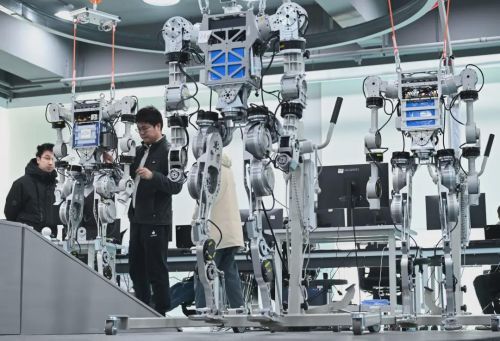
按照FCC的定义,所谓“先进机器人设备”包括自主移动机器人、人形机器人以及四足机器人,这些设备要求具备移动、环境感知以及联网等功能,其中还涉及由软件或AI控制的特征。

也就是说,除了先进的人形机器人之外,大量联网移动机器人都可能被覆盖,其中甚至包括部分扫地机器人。

FCC has already confirmed to the media that new foreign-made sweep robots in the future may also be subject to restrictions.

第二点就是所谓外国,这里的外国理论上是针对美国之外的所有国家,但从美国媒体的解读,以及行业里的普遍观点来看,大家都认为这份禁令主要针对中国。

Because now, whether it concerns complete machine shipments, supply chains or costs, Chinese enterprises have become the primary competitor that the United States must confront.

那么,我们应该如何看待这份禁令呢。
美国想要借此达成什么目的呢。它在害怕什么呢又想保护什么呢。

谁受影响最大?

首先,需要肯定的是,这次禁令对中国的影响显然最大。

In the robot market, Chinese enterprises have already accounted for the vast majority of global shipments; in the quadruped robot market, their shipments are approaching 80% of the global total.

进入更成熟的消费机器人市场,中国品牌石头、科沃斯、追觅等已经在扫地机器人、擦窗机器人和割草机器人等细分领域占据领先位置。仓储移动机器人领域,中国厂商也在持续扩大美国业务。

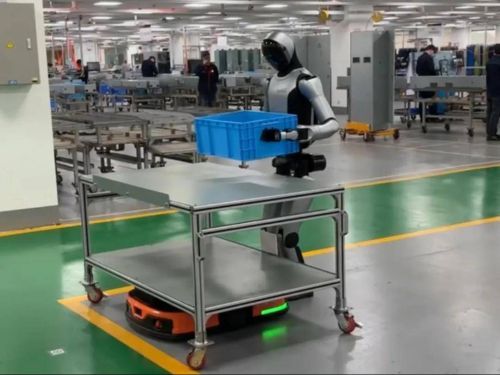
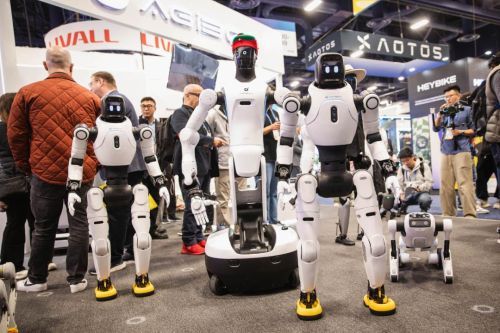
美国此次限制的也不只限于某种单一的机器人,而是包括人形机器人、四足机器人、家庭清洁机器人以及仓储移动机器人等一系列的设备。

Although Japan, South Korea and Europe also host related robot enterprises, the Chinese firms are those that are able to supply large-scale shipments, complete supply chains and low-cost products simultaneously.

In addition, although the file does not explicitly name China, the ultimate target is probably China alone.

This also accumulates experience accumulated over the years as we have been competing with the United States.

For instance, in the previous drone bans as well as restrictions on communication equipment and other products, the United States has uniformly adopted the phrase foreign production. Nevertheless, the FCC has subsequently granted exemptions to certain non-Chinese suppliers.

这项规则在文字上覆盖所有外国厂商,在实际执行中却可能进一步区分中国与其他国家的供应商。

那么,中国哪些企业最有可能先受到影响?

这一点其实只要看三个条件:

1、产品是否明确落入禁令范围;

2、Does the enterprise already have real operations formed in the United States?

3、以及后续增长是否依赖新型号不断进入美国市场。

根据这三个条件,我们整理了下面这份表格:

整体上,受影响的中国企业大致可分为两类。

一类已经在美国有真实生意,包括宇树、石头、科沃斯、追觅和极智嘉的,这类企业禁令会直接卡住新品、订单和项目延续。

Another category involves humanoid robot companies such as Unitree and Fourier Intelligence that have not yet formed scale revenues. In the short term, these companies experience little impact, yet the channels for future entry into the US market and integration into the US R&D ecosystem are blocked in advance.

当然,需要注意的是,这些企业并不就立刻失去美国市场了。

Here is a key point, namely that the prohibition clearly states that foreign robot new models that have not yet obtained FCC certification cannot, in principle, obtain certification again.

但我们有很多公司的很多产品,其实之前已经获得了FCC的认证,这些产品是不受影响的。比如,宇树的Go1四足机器人、G1人形机器人、R1人形机器人等等。

But FCC certification is not issued to a company as a market pass, but to specific equipment, specific models and their wireless configuration authorization.

We examined the original text and found that the scope of this prohibition was written very broadly. It targets foreign-produced advanced robot equipment, with products that obtain conditional approval from the US Department of Defense allowed as exceptions.

The two keywords here are one, foreign production, and two, advanced robot equipment.

According to the FCC definition, the term advanced robot equipment includes autonomous mobile robots, humanoid robots, and quadruped robots. These devices require mobility, environmental sensing, and networking functions, which also involve characteristics controlled by software or AI.

This means that, in addition to advanced humanoid robots, a large number of networked mobile robots may also be covered, including some sweep robots.

FCC has already confirmed to the media that new foreign-made sweep robots in the future may also be subject to restrictions.

The second point is the term foreign. In principle, this applies to all countries other than the United States, but from interpretations in US media and the general view in the industry, the ban is mainly targeted at China.

Because now, whether it concerns complete machine shipments, supply chains, or costs, Chinese enterprises have become the primary competitor that the United States must confront.

Then, how should we view this ban? What purpose does the United States want to achieve by this? What is it afraid of and what does it want to protect?

First, it is necessary to affirm that the impact of this ban on China is obviously the greatest.

In the robot market, Chinese enterprises have already accounted for the vast majority of global shipments; in the quadruped robot market, their shipments are approaching 80% of the global total.

We have entered the more mature consumer robot market, where Chinese brands such as Roborock, Ecovacs, and Dreame have already occupied leading positions in segments such as sweep robots, window-cleaning robots, and lawn mowers. In the warehousing mobile robot field, Chinese vendors are also continuously expanding their US business.

The US restrictions this time are not limited to a single type of robot, but include a series of equipment such as humanoid robots, quadruped robots, home cleaning robots, and warehousing mobile robots.

Although Japan, South Korea, and Europe also host related robot enterprises, the Chinese firms are those that are able to supply large-scale shipments, complete supply chains, and low-cost products simultaneously.

In addition, although the file does not explicitly name China, the ultimate target is probably China alone.

This also accumulates experience accumulated over the years as we have been competing with the United States.

For instance, in the previous drone bans as well as restrictions on communication equipment and other products, the United States has uniformly adopted the phrase foreign production. Nevertheless, the FCC has subsequently granted exemptions to certain non-Chinese suppliers.

This rule covers all foreign vendors in text, but in actual implementation it may further distinguish Chinese suppliers from those of other countries.

Then, which Chinese enterprises are most likely to be affected first?

2. Does the enterprise already have real operations formed in the United States?

3. And the subsequent growth depends on whether new models continuously enter the US market.

According to these three conditions, we have organized the following table:

Overall, the affected Chinese enterprises can be roughly divided into two categories.

One category consists of enterprises that already have real business in the United States, such as Unitree, Roborock, Ecovacs, Dreame, and Terafuse. For these enterprises, the ban will directly block new products, orders, and project continuation.

Another category involves humanoid robot companies such as Unitree and Fourier Intelligence that have not yet formed scale revenues. In the short term, these companies experience little impact, yet the channels for future entry into the US market and integration into the US R&D ecosystem are blocked in advance.

Of course, it is necessary to note that these enterprises do not immediately lose the US market.

Here is a key point, namely that the prohibition clearly states that foreign robot new models that have not yet obtained FCC certification cannot, in principle, obtain certification again.

But we have many products of many companies that have already obtained FCC certification, and these products are not affected. For example, Unitree's Go1 quadruped robot, G1 humanoid robot, R1 humanoid robot, and so on.

But FCC certification is not issued to a company as a market pass, but to specific equipment, specific models, and their wireless configuration authorization.

We examined the original text and found that the scope of this prohibition was written very broadly. It targets foreign-produced advanced robot equipment, with products that obtain conditional approval from the US Department of Defense allowed as exceptions.

The two keywords here are one, foreign production, and two, advanced robot equipment.

According to the FCC definition, the term advanced robot equipment includes autonomous mobile robots, humanoid robots, and quadruped robots. These devices require mobility, environmental sensing, and networking functions, which also involve characteristics controlled by software or AI.

This means that, in addition to advanced humanoid robots, a large number of networked mobile robots may also be covered, including some sweep robots.

FCC has already confirmed to the media that new foreign-made sweep robots in the future may also be subject to restrictions.

The second point is the term foreign. In principle, this applies to all countries other than the United States, but from interpretations in US media and the general view in the industry, the ban is mainly targeted at China.

Because now, whether it concerns complete machine shipments, supply chains, or costs, Chinese enterprises have become the primary competitor that the United States must confront.

Then, how should we view this ban? What purpose does the United States want to achieve by this? What is it afraid of and what does it want to protect?

First, it is necessary to affirm that the impact of this ban on China is obviously the greatest.

In the robot market, Chinese enterprises have already accounted for the vast majority of global shipments; in the quadruped robot market, their shipments are approaching 80% of the global total.

We have entered the more mature consumer robot market, where Chinese brands such as Roborock, Ecovacs, and Dreame have already occupied leading positions in segments such as sweep robots, window-cleaning robots, and lawn mowers. In the warehousing mobile robot field, Chinese vendors are also continuously expanding their US business.

The US restrictions this time are not limited to a single type of robot, but include a series of equipment such as humanoid robots, quadruped robots, home cleaning robots, and warehousing mobile robots.

Although Japan, South Korea, and Europe also host related robot enterprises, the Chinese firms are those that are able to supply large-scale shipments, complete supply chains, and low-cost products simultaneously.

In addition, although the file does not explicitly name China, the ultimate target is probably China alone.

This also accumulates experience accumulated over the years as we have been competing with the United States.

For instance, in the previous drone bans as well as restrictions on communication equipment and other products, the United States has uniformly adopted the phrase foreign production. Nevertheless, the FCC has subsequently granted exemptions to certain non-Chinese suppliers.

This rule covers all foreign vendors in text, but in actual implementation it may further distinguish Chinese suppliers from those of other countries.

Then, which Chinese enterprises are most likely to be affected first?

2. Does the enterprise already have real operations formed in the United States?

3. And the subsequent growth depends on whether new models continuously enter the US market.

According to these three conditions, we have organized the following table:

Overall, the affected Chinese enterprises can be roughly divided into two categories.

One category consists of enterprises that already have real business in the United States, such as Unitree, Roborock, Ecovacs, Dreame, and Terafuse. For these enterprises, the ban will directly block new products, orders, and project continuation.

Another category involves humanoid robot companies such as Unitree and Fourier Intelligence that have not yet formed scale revenues. In the short term, these companies experience little impact, yet the channels for future entry into the US market and integration into the US R&D ecosystem are blocked in advance.

Of course, it is necessary to note that these enterprises do not immediately lose the US market.

Here is a key point, namely that the prohibition clearly states that foreign robot new models that have not yet obtained FCC certification cannot, in principle, obtain certification again.

But we have many products of many companies that have already obtained FCC certification, and these products are not affected. For example, Unitree's Go1 quadruped robot, G1 humanoid robot, R1 humanoid robot, and so on.

But FCC certification is not issued to a company as a market pass, but to specific equipment, specific models, and their wireless configuration authorization.

We examined the original text and found that the scope of this prohibition was written very broadly. It targets foreign-produced advanced robot equipment, with products that obtain conditional approval from the US Department of Defense allowed as exceptions.

The two keywords here are one, foreign production, and two, advanced robot equipment.

According to the FCC definition, the term advanced robot equipment includes autonomous mobile robots, humanoid robots, and quadruped robots. These devices require mobility, environmental sensing, and networking functions, which also involve characteristics controlled by software or AI.

This means that, in addition to advanced humanoid robots, a large number of networked mobile robots may also be covered, including some sweep robots.

FCC has already confirmed to the media that new foreign-made sweep robots in the future may also be subject to restrictions.

The second point is the term foreign. In principle, this applies to all countries other than the United States, but from interpretations in US media and the general view in the industry, the ban is mainly targeted at China.

Because now, whether it concerns complete machine shipments, supply chains, or costs, Chinese enterprises have become the primary competitor that the United States must confront.

Then, how should we view this ban? What purpose does the United States want to achieve by this? What is it afraid of and what does it want to protect?

First, it is necessary to affirm that the impact of this ban on China is obviously the greatest.

In the robot market, Chinese enterprises have already accounted for the vast majority of global shipments; in the quadruped robot market, their shipments are approaching 80% of the global total.

We have entered the more mature consumer robot market, where Chinese brands such as Roborock, Ecovacs, and Dreame have already occupied leading positions in segments such as sweep robots, window-cleaning robots, and lawn mowers. In the warehousing mobile robot field, Chinese vendors are also continuously expanding their US business.

The US restrictions this time are not limited to a single type of robot, but include a series of equipment such as humanoid robots, quadruped robots, home cleaning robots, and warehousing mobile robots.

Although Japan, South Korea, and Europe also host related robot enterprises, the Chinese firms are those that are able to supply large-scale shipments, complete supply chains, and low-cost products simultaneously.

In addition, although the file does not explicitly name China, the ultimate target is probably China alone.

This also accumulates experience accumulated over the years as we have been competing with the United States.

For instance, in the previous drone bans as well as restrictions on communication equipment and other products, the United States has uniformly adopted the phrase foreign production. Nevertheless, the FCC has subsequently granted exemptions to certain non-Chinese suppliers.

This rule covers all foreign vendors in text, but in actual implementation it may further distinguish Chinese suppliers from those of other countries.

Then, which Chinese enterprises are most likely to be affected first?

2. Does the enterprise already have real operations formed in the United States?

3. And the subsequent growth depends on whether new models continuously enter the US market.

According to these three conditions, we have organized the following table:

Overall, the affected Chinese enterprises can be roughly divided into two categories.

One category consists of enterprises that already have real business in the United States, such as Unitree, Roborock, Ecovacs, Dreame, and Terafuse. For these enterprises, the ban will directly block new products, orders, and project continuation.

Another category involves humanoid robot companies such as Unitree and Fourier Intelligence that have not yet formed scale revenues. In the short term, these companies experience little impact, yet the channels for future entry into the US market and integration into the US R&D ecosystem are blocked in advance.

Of course, it is necessary to note that these enterprises do not immediately lose the US market.

Here is a key point, namely that the prohibition clearly states that foreign robot new models that have not yet obtained FCC certification cannot, in principle, obtain certification again.

But we have many products of many companies that have already obtained FCC certification, and these products are not affected. For example, Unitree's Go1 quadruped robot, G1 humanoid robot, R1 humanoid robot, and so on.

But FCC certification is not issued to a company as a market pass, but to specific equipment, specific models, and their wireless configuration authorization.

We examined the original text and found that the scope of this prohibition was written very broadly. It targets foreign-produced advanced robot equipment, with products that obtain conditional approval from the US Department of Defense allowed as exceptions.

The two keywords here are one, foreign production, and two, advanced robot equipment.

According to the FCC definition, the term advanced robot equipment includes autonomous mobile robots, humanoid robots, and quadruped robots. These devices require mobility, environmental sensing, and networking functions, which also involve characteristics controlled by software or AI.

This means that, in addition to advanced humanoid robots, a large number of networked mobile robots may also be covered, including some sweep robots.

FCC has already confirmed to the media that new foreign-made sweep robots in the future may also be subject to restrictions.

The second point is the term foreign. In principle, this applies to all countries other than the United States, but from interpretations in US media and the general view in the industry, the ban is mainly targeted at China.

Because now, whether it concerns complete machine shipments, supply chains, or costs, Chinese enterprises have become the primary competitor that the United States must confront.

Then, how should we view this ban? What purpose does the United States want to achieve by this? What is it afraid of and what does it want to protect?

First, it is necessary to affirm that the impact of this ban on China is obviously the greatest.

In the robot market, Chinese enterprises have already accounted for the vast majority of global shipments; in the quadruped robot market, their shipments are approaching 80% of the global total.

We have entered the more mature consumer robot market, where Chinese brands such as Roborock, Ecovacs, and Dreame have already occupied leading positions in segments such as sweep robots, window-cleaning robots, and lawn mowers. In the warehousing mobile robot field, Chinese vendors are also continuously expanding their US business.

The US restrictions this time are not limited to a single type of robot, but include a series of equipment such as humanoid robots, quadruped robots, home cleaning robots, and warehousing mobile robots.

Although Japan, South Korea, and Europe also host related robot enterprises, the Chinese firms are those that are able to supply large-scale shipments, complete supply chains, and low-cost products simultaneously.

In addition, although the file does not explicitly name China, the ultimate target is probably China alone.

This also accumulates experience accumulated over the years as we have been competing with the United States.

For instance, in the previous drone bans as well as restrictions on communication equipment and other products, the United States has uniformly adopted the phrase foreign production. Nevertheless, the FCC has subsequently granted exemptions to certain non-Chinese suppliers.

This rule covers all foreign vendors in text, but in actual implementation it may further distinguish Chinese suppliers from those of other countries.

Then, which Chinese enterprises are most likely to be affected first?

2. Does the enterprise already have real operations formed in the United States?

3. And the subsequent growth depends on whether new models continuously enter the US market.

According to these three conditions, we have organized the following table:

Overall, the affected Chinese enterprises can be roughly divided into two categories.

One category consists of enterprises that already have real business in the United States, such as Unitree, Roborock, Ecovacs, Dreame, and Terafuse. For these enterprises, the ban will directly block new products, orders, and project continuation.

Another category involves humanoid robot companies such as Unitree and Fourier Intelligence that have not yet formed scale revenues. In the short term, these companies experience little impact, yet the channels for future entry into the US market and integration into the US R&D ecosystem are blocked in advance.

Of course, it is necessary to note that these enterprises do not immediately lose the US market.

Here is a key point, namely that the prohibition clearly states that foreign robot new models that have not yet obtained FCC certification cannot, in principle, obtain certification again.

But we have many products of many companies that have already obtained FCC certification, and these products are not affected. For example, Unitree's Go1 quadruped robot, G1 humanoid robot, R1 humanoid robot, and so on.

But FCC certification is not issued to a company as a market pass, but to specific equipment, specific models, and their wireless configuration authorization.

美国禁令保护了谁?

好的,谈及受影响最大的企业,那么在这一禁令之下,又是谁成为了最大的受益者呢?

大多数人的第一反应可能是禁令保护了本土企业。

If following the benchmark of enterprise types, the situation is likely as follows:

但问题是,这些企业需要被保护吗?

美国拥有全球最早也最具代表性的一批机器人企业。Boston Dynamics长期定义足式机器人的技术上限,Tesla、Figure以及Apptronik等公司背后又有美国领先的芯片、基础模型和资本体系。无论机器人本体还是AI能力,美国都谈不上明显落后。

因此,仅用“保护本土企业”来解释这项禁令并不充分。

The reasons provided by the prohibition document focus primarily on two aspects: first, security. Advanced robots can continuously perceive their environment, collect data, and connect to networks. These data may be used for surveillance and intelligence collection, and the devices themselves also carry risks of remote access or control. Second, the supply chain. The production of advanced robots and their key components is becoming increasingly concentrated in a few countries.

这两类理由看起来分别指向网络安全和供应链安全,但背后其实指向同一个问题——谁来控制人工智能进入现实世界的载体。

这也是大疆历史值得参照的地方。

过去几年,美国对大疆的限制不断加码,先限制军方和政府部门采购,再延伸至出口管制、军方关联名单以及FCC设备准入。到2025年底,限制已经落到外国无人机新型号及关键部件的授权层面,旧产品仍可继续使用,新产品却很难再进入美国市场。

但这些限制并没有迅速催生出一家能够全面替代大疆的美国公司。

Contrary to this, the U.S. Government Accountability Office investigation indicates that some government agencies faced delays in replacing outdated equipment after restrictions on foreign drone purchases were implemented, while business expansion was also impacted; certain firefighting and search-and-rescue operations ultimately continued to use the relevant foreign equipment via exemptions.

这表明,美国限制大疆,首先考虑的并不是由哪家美国公司接走大疆的订单,而是无法接受一个涉及数据、公共安全和关键供应链的硬件平台长期由一家外国企业主导。

机器人禁令延续的正是这套思路,区别在于大疆已经赢得市场之后美国才开始寻找替代方案而在人形机器人和先进机器人领域市场格局尚未完全形成美国选择更早出手

So, the purpose of this ban is not to protect a particular US robot company but to preserve the possibility for the United States to continue controlling robot bodies, supply chains, and entry points into the industry. To put it more directly, the United States does not want its leading AI to eventually run only on robots manufactured in China.

- END -

美国机器人禁令究竟保护了谁

来源:美国机器人禁令,究竟保护了谁? | OFweek机器人网
声明:本文来自OFweek机器人网,版权归作者所有。文章内容仅代表作者独立观点,不代表爱力方立场,转载目的在于传递更多信息。如有侵权,请联系 copyright#agent.ren。
0
TAGS: []

相关图文

热门资讯